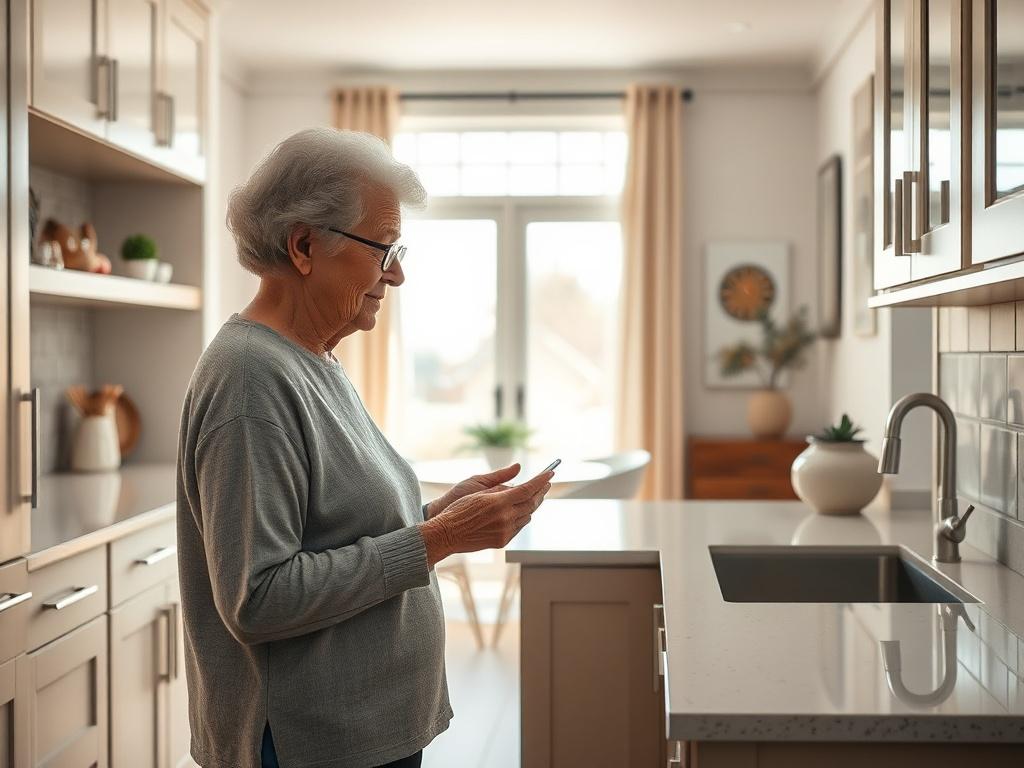
Aging in place is an empowering choice that allows individuals to remain in the comfort of their own homes while maintaining their independence and dignity. As the population grows older, the importance of smart home design becomes increasingly clear. By integrating thoughtful strategies and universal design principles, homeowners can create environments that support their needs today and adapt to future considerations. Whether it’s reimagining bathrooms for accessibility or designing kitchens that promote safety and ease of use, effective smart home solutions enhance quality of life and foster a lasting sense of home.
This detailed blog post delves into the essential components of aging in place, offering practical insights into how to design spaces that accommodate the evolving needs of residents. From ensuring safe entries to selecting appropriate lighting and incorporating flexible home features, we will explore how smart design choices can turn a house into a haven. Join us as we discuss innovative approaches that not only prioritize functionality but also celebrate a fulfilling lifestyle through all stages of life.
Understanding aging in place: The importance of smart home design
Aging in place refers to the ability of older adults to live independently and comfortably in their own homes as they age. This concept emphasizes the importance of creating environments that support not only physical health but also emotional well-being. Smart home design plays a crucial role in this process by integrating technology and accessibility into everyday living. Incorporating features like smart lighting, automated temperature control, and voice-activated assistants can enhance the quality of life for seniors, allowing them to maintain their routines and stay connected with family and friends.
Moreover, thoughtful design choices can significantly reduce the risk of accidents and injuries commonly associated with aging. By implementing universal design principles, homeowners can create spaces that are not just functional but also promote a sense of dignity and independence. For example, walk-in tubs, grab bars, and non-slip flooring can make bathrooms safer, while accessible kitchen layouts facilitate cooking and dining. As the population ages, prioritizing smart home design becomes essential for fostering community connections and self-sufficiency, allowing individuals to thrive in their own living environments through all stages of life.
Key universal design principles for bathrooms and kitchens
Universal design principles focus on creating spaces that are accessible and functional for people of all ages and abilities. In bathrooms, features such as curbless showers, grab bars, and lever faucets can significantly enhance safety and ease of use. Non-slip flooring and adequate lighting further contribute to a safer environment, allowing individuals to maintain their independence while performing daily personal care routines. By incorporating adjustable-height vanities and accessible storage solutions, homeowners ensure that essential items are within reach, promoting a sense of dignity and self-reliance.
In the kitchen, an open layout facilitates movement and interaction, making it easier for individuals with mobility challenges to navigate the space. Installing pull-out shelves, lower countertops, and appliances that can be accessed from a seated position enhances usability. Additionally, utilizing contrasting colors for countertops and cabinets helps those with visual impairments identify edges and navigate safely. By considering these universal design principles, homeowners can create kitchens and bathrooms that not only meet their current needs but also adapt to future changes in ability, ensuring comfort and independence for years to come.
Creating safe and adaptable spaces: Lighting, entries, and flexible features
When designing a home that supports aging in place, consider the role of lighting as a critical component. Adequate and well-placed lighting enhances visibility and safety, reducing the risk of falls and accidents. Incorporate bright, adjustable lighting in every room, focusing on stairways, hallways, and entryways, where shadows can obscure potential hazards. Utilize motion-sensor or touch-activated lights to ease navigation at night, eliminating the need to fumble for switches. Incorporate natural light through skylights or larger windows to create an inviting atmosphere while also boosting mood and well-being.
Safe entries serve as the gateway to a home that prioritizes independence and dignified living. Design entrances with no-step access to eliminate barriers for those with mobility challenges. Wider doorways and hallways accommodate walkers or wheelchairs, while nonslip flooring ensures stability. Invest in handrails and grab bars strategically located near entries and staircases to provide additional support. Finally, flexible home features such as adjustable countertops, modular furniture, and movable walls can transform spaces as needs evolve, allowing homeowners to adapt their environments seamlessly throughout different stages of life.